


 917.475.6839
 December 5, 2025
  Tags:
Tags: 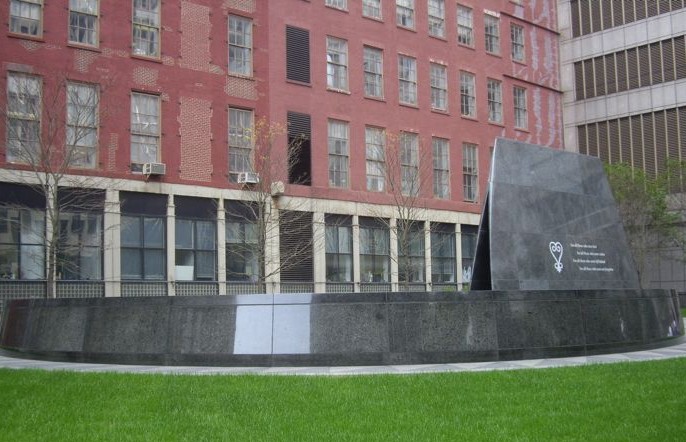
Slavery in New York City was not a rural plantation system; it was an urban and deeply integrated economy. Enslaved men and women served as domestic workers, dock hands, shipboard laborers, artisans’ assistants, and day laborers. Owners often “hired out” enslaved people to merchants, shipwrights, and municipal projects, so enslaved labor flowed through the city while remaining legally owned by households or firms. This arrangement meant enslaved New Yorkers worked alongside free laborers in shipyards, wharves, shops, and households—making bondage visibly present in the city’s everyday life.
The social texture of bondage in New York was strikingly intimate: most enslavers owned one or two people, and enslaved persons lived and worked within neighborhoods rather than on distant plantations. That closeness produced unique forms of resistance and community. Free and enslaved Black New Yorkers cultivated networks of mutual aid, worship, and labor-based skills; they also used flight, and sometimes service with British forces, to pursue freedom.
The city’s Black community left archaeological and documentary traces—most famously the African Burial Ground discovered in Lower Manhattan—which testify to the size and depth of African-descent life in the city. New York’s economic and legal institutions both protected and constrained slavery. Municipal ordinances regulated movement and assembly for Black people; church registries, court records, and estate inventories document the presence of enslaved labor in nearly every corner of colonial urban life.
At the same time, Revolutionary upheaval and British offers of liberty to Black Loyalists created new opportunities for escape and manumission. Two British proclamations during the Revolutionary War, Dunmore’s Proclamation and the Phillipsburg Proclamation, offered freedom to enslaved people of African descent who belonged to a Patriot. In the decades after the Revolution, an active manumission movement and gradual emancipation laws (culminating in 1827 emancipation in New York State) slowly dismantled legal slavery, but the social and economic effects of centuries of bondage persisted. Understanding slavery in Revolutionary-era New York City reshapes how we read familiar sites: wharves and warehouses, merchant houses, and civic buildings all depended on coerced labor. For a complete picture of New York’s past—one that recognizes both the city’s commercial energy and the human cost that built it—visitors and residents alike must confront this history directly. Learn more about African Americans in the Revolutionary War on the Hamilton & Washington in New York Walking Tour.