


 917.475.6839
 November 4, 2025
  Tags:
Tags: 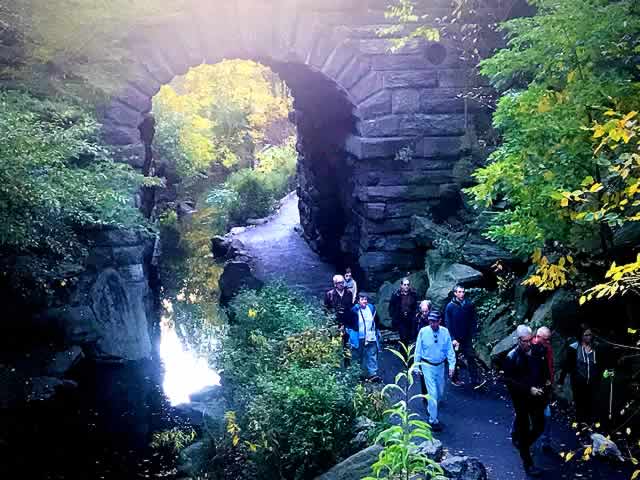
When most visitors think of Central Park, they picture Bethesda Terrace, the Bow Bridge, or the Great Lawn. Yet the park’s northern end — stretching from 100th Street to 110th Street — offers some of its most serene and spectacular landscapes, richest history, and least-crowded experiences. From the woodlands of the North Woods to the elegant Conservatory Garden and the historic forts of the Revolutionary War, this part of Central Park is a hidden gem that rewards those who venture beyond the familiar.
The North Woods: A Wilderness in Manhattan
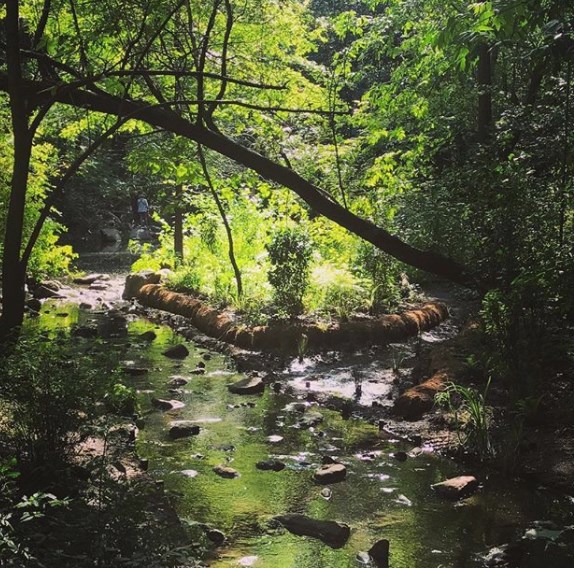
At 40 acres, the North Woods is the largest of Central Park’s three woodlands, designed to evoke the feeling of the Adirondack forest. Winding paths, rustic bridges, and a serene stream known as the Loch make it a tranquil retreat right in the heart of Manhattan. Visitors can follow the Ravine Trail through dense oaks and maples, listening to waterfalls that flow from the Pool at 100th Street down to the Harlem Meer.
This area is a paradise for birdwatchers and photographers alike. You’ll find migrating warblers in spring, red-tailed hawks soaring above, and even the occasional heron fishing in the waters below. For locals and visitors seeking nature and solitude, the North Woods is one of the best-kept secrets of Central Park’s northern end.
The Conservatory Garden: Central Park’s Only Formal Garden
A short walk east of the North Woods, lies the Conservatory Garden — a masterpiece of landscape design and one of the park’s most peaceful places. You’ll find three distinct styles: the Italianate garden with its grand fountain and terraces, the French garden with seasonal tulips and the fountain of Three Dancing Maidens, and the English garden featuring a reflecting pool and lush perennials.
The fully-restored Conservatory Garden is an oasis of tranquility far from the park’s busier southern half. It’s also a favorite destination when flowers and foliage are at their peak. For anyone searching for romantic spots in Central Park or hidden gems in Upper Manhattan, this is a must-see.
Revolutionary Forts, History & Hidden Stories
Few visitors realize that the northern end of Central Park played an important defensive role in New York City’s Revolutionary War and War of 1812 history. The park’s high points — Fort Clinton, Fort Fish, and Nutter’s Battery — were part of a line of defensive fortifications built by American forces in 1814 during the War of 1812, on or near earlier Revolutionary War positions. The oldest original structure in the park is a Blockhouse from the War of 1812. The views of Harlem and the Bronx from its bluff are impressive.
Go Beyond the Map: Discover the Secret Places of Central Park
Want to uncover even more of Central Park’s hidden history, forgotten forts, and surprising stories? You’ll learn about Frederick Law Olmsted and Calvert Vaux’s vision for the first large-scale public park in the United States. You’ll also discover the fascinating pre-park history, including the Seneca Village community, an African American and immigrant community that preceded the park’s construction. Join Revolutionary Tours NYC for the acclaimed Secret Places of Central Park Tour — a deep dive into the park’s untold history, design secrets, and natural wonders. Led by a passionate historian, this immersive walking tour reveals areas most visitors never find on their own — from mysterious arches and hidden trails to sites where history was made.
Book your Secret Places of Central Park experience today at RevolutionaryToursNYC.com and see America’s greatest urban park in a whole new light.