
Tag: Revolutionary War

Best Brooklyn Walking Tour: The Brooklyn Bridge, DUMBO, Brooklyn Heights, and the Stories That Built New York

Best Brooklyn Bridge Tour


Brooklyn is not just a place you visit. It is a story you walk through.

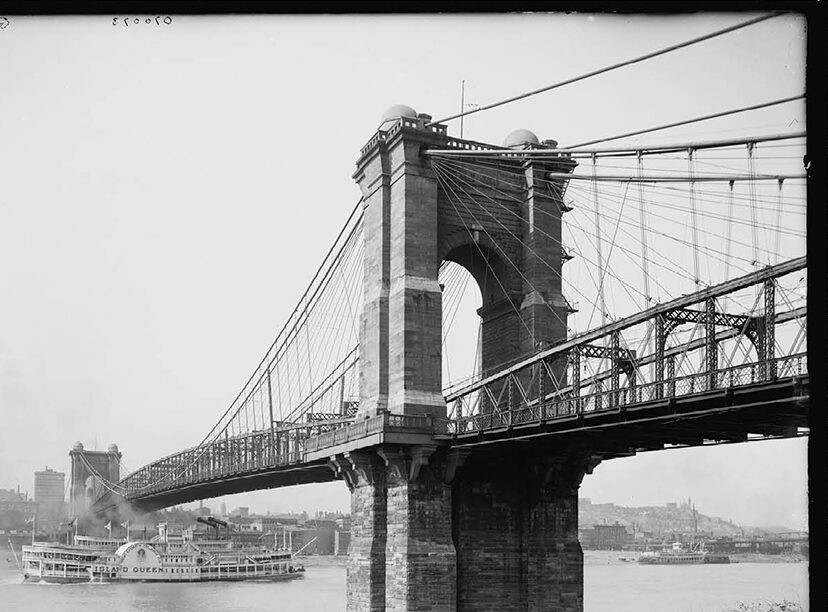
On the Best of Brooklyn Walking Tour, guests experience some of the most iconic and fascinating places in New York City: the Brooklyn Bridge, DUMBO, Brooklyn Bridge Park, and Brooklyn Heights. Led by a licensed New York City tour guide and historian with more than 25 years of experience, this immersive Brooklyn walking tour brings together Revolutionary War drama, Gilded Age engineering, abolitionist history, architecture, waterfront views, film locations, and Brooklyn’s modern cultural revival.

The tour begins with the people who helped shape the history of Brooklyn and New York: George Washington, Jackie Robinson, Walt Whitman, Henry Ward Beecher, and the extraordinary figures behind the Brooklyn Bridge. As you walk across the world-famous bridge, you will discover why it was considered one of the greatest engineering achievements of the 19th century. Its construction took nearly 14 years and involved danger, political struggle, technical brilliance, and personal sacrifice. You will also hear the remarkable story of Emily Warren Roebling, who helped guide the project after her husband, Washington Roebling, became seriously incapacitated.

Crossing the Brooklyn Bridge is unforgettable, but this tour goes far beyond the view. Once in Brooklyn, you will explore DUMBO, a neighborhood where old warehouses, factories, and cobblestone streets have been transformed into one of New York City’s most exciting cultural and creative districts. Today, DUMBO blends industrial history with modern design, technology, food, and art. Guests can even stop near Jacques Torres Chocolate, one of New York’s best-known chocolatiers.

From there, the tour continues into Brooklyn Bridge Park, one of the most spectacular waterfront parks in NYC. With sweeping views of Lower Manhattan, the East River, and the Brooklyn Bridge, it is one of the most scenic places in New York for photography. You will also see Jane’s Carousel, a beautifully restored 1922 carousel enclosed in a striking glass pavilion.

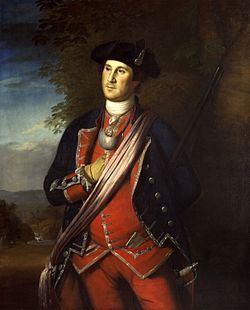
But Brooklyn’s most dramatic story reaches back to 1776, during the Battle of Brooklyn, the largest battle of the American Revolution. After a devastating defeat, George Washington’s army escaped across the East River under cover of darkness and providential weather. That daring retreat helped save the American Revolution from possible collapse. On this Brooklyn history tour, you will stand near the waterfront where this extraordinary evacuation unfolded.

The tour then moves into elegant Brooklyn Heights, one of New York City’s most beautiful historic neighborhoods. Its tree-lined streets and 19th-century townhouses have been home to writers, artists, actors, reformers, and celebrities. You will see locations connected to Truman Capote, the classic film Moonstruck, and the neighborhood’s rich literary and architectural past.

A major highlight is Plymouth Church, once led by the powerful abolitionist preacher Henry Ward Beecher. Known as an important center of anti-slavery activism, Plymouth Church was sometimes called the “Grand Central” of the Underground Railroad in the New York area. Abraham Lincoln visited the church before becoming president, adding another layer to Brooklyn’s national significance.

This is not a scripted sightseeing tour filled with trivia. It is a historian-led Brooklyn walking tour designed for curious travelers who want depth, storytelling, and unforgettable views. Whether you are interested in the Brooklyn Bridge, Revolutionary War New York, Brooklyn Heights architecture, DUMBO history, or simply want one of the best walking tours in NYC, this experience reveals why Brooklyn has always been a place of innovation, reinvention, and revolution.

Don’t just visit Brooklyn. Walk through the history that helped shape New York City and America. Sign up for the Best of Brooklyn Tour today!
America’s 250th Anniversary, the Semiquincentennial in New York City

Celebrate America's 250th - Semiquincentennial in New York City

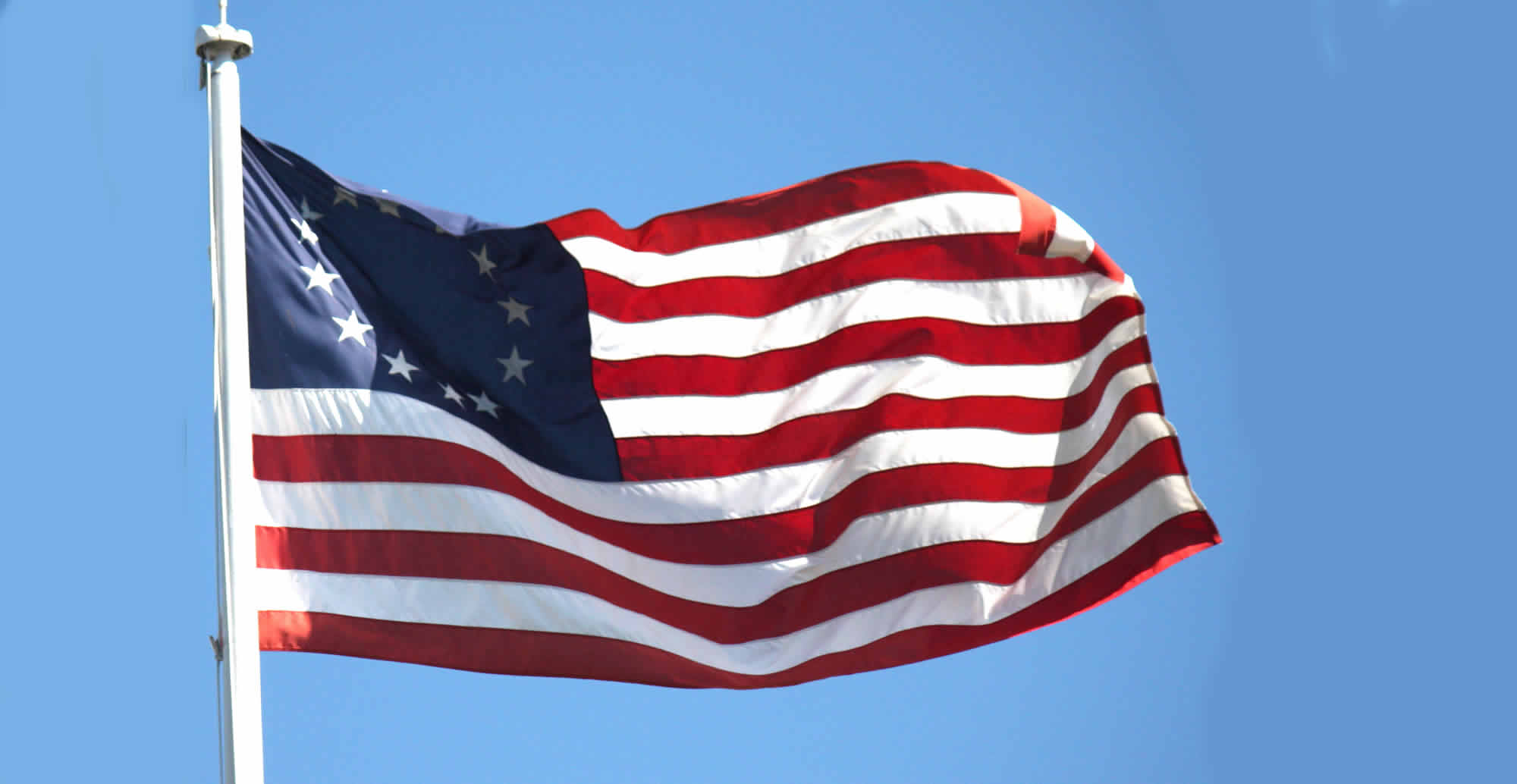
As we approach the United States’ Semiquincentennial in 2026, marking 250 years since the birth of our nation, it’s fitting to reflect on New York City’s pivotal role in the American Revolution and the Early Republic. Today’s bustling metropolis was once a crucible and battleground where the fate of the nascent nation hung in the balance and after the war, the first capital city.

In the summer of 1776, New York became the center stage for one of the Revolution’s most crucial campaigns. General George Washington, recognizing the city’s strategic importance, fortified it against British attack. Despite his efforts, the New York Campaign proved to be one of the lowest points of his military career. The little-known Battle of Brooklyn in August 1776 saw the Continental Army suffer a crushing defeat. Yet, in a daring nighttime maneuver Washington saved the army and the revolutionary cause.

While the British held New York for the longest occupation of the war, the city’s revolutionary spirit persisted. It was here that Alexander Hamilton, a young immigrant artillery officer, caught the attention of the military and began his ascent to Founding Father. It was here that Washington bade farewell to his officers and generals, and it was here that he took the oath as the nation’s first president.

As we look forward to the Semiquincentennial celebrations, New York’s revolutionary history reminds us of the courage and perseverance that birthed our nation by men and women and Black and white. On the Washington & Hamilton in New York tour, you’ll discover the historic streets of Lower Manhattan that still echoes with the footsteps of those who fought for independence and created a new nation. The immersive tour will entertain and educate through historic sites, storytelling, and images as we reflect on the past and gain greater insights into the present. Book the tour today!

John Laurens and George Washington

John Laurens and George Washington

South Carolinian John Laurens, close friend to Alexander Hamilton, was fervent in plans to enlist enslaved people in the Continental Army. On March 29, 1779, the Continental Congress agreed to compensate Georgian and South Carolinian slaveholders as much as $1,000 for enslaved men serving in the army, even going as far as emancipation. The Continental Congress stated:

Resolved, That congress will make provision for paying the proprietors of such negroes as shall be inlisted for the service of the United States during the war, a full compensation for the property at a rate not exceeding one thousand dollars for each active able bodied negro man of standard size, not exceeding thirty five years of age, who shall be so inlisted and pass muster.

That no pay or bounty be allowed to the said negroes, but that they be cloathed and subsisted at the expence of the United States.

That every negro who shall well and faithfully serve as a soldier to the end of the present war, and shall then return his arms, be emancipated and receive the sum of fifty dollars.

However, in a letter to George Washington on May 19, 1782, Laurens reported that the plan was rejected by South Carolina. “The single voice of reason,” he wrote, “was drowned by the howlings of a triple-headed monster in which Prejudice Avarice & Pusillanimity were united.”

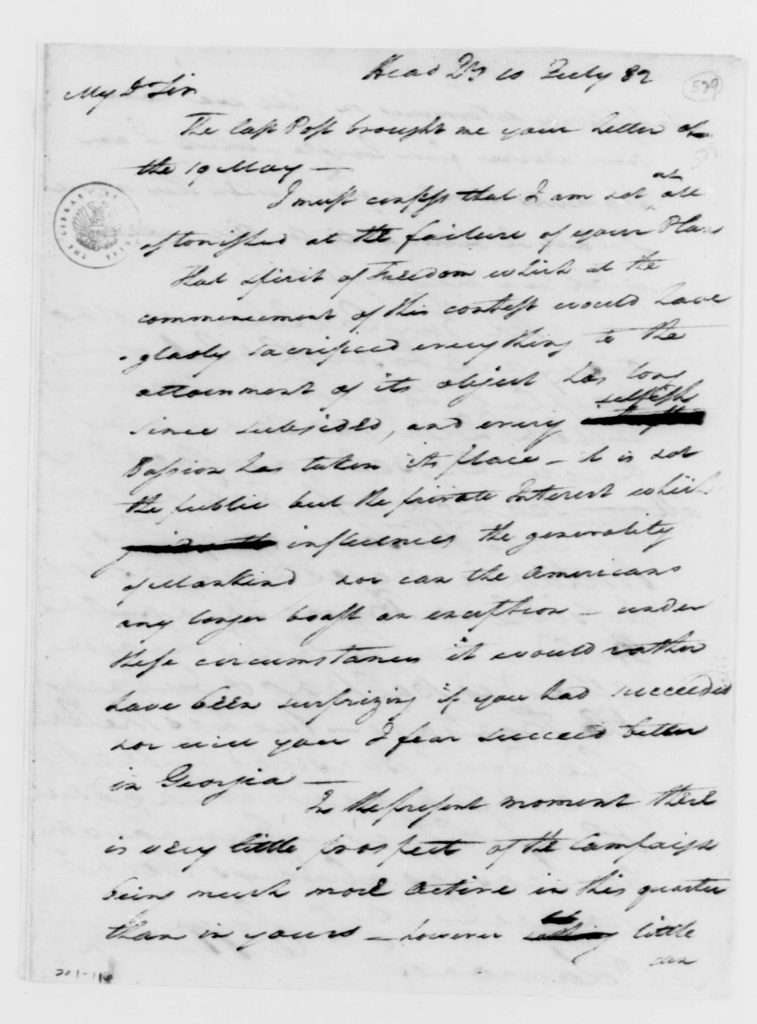
Responding to that letter on July 10, 1782 George Washington (in the letter photographed above) expressed dismay that South Carolina rejected the proposal. He lamented that “it is not the public but the private Interest which influences the generality of mankind.” Washington wrote:

The last Post brought me your Letter of the 19 May.

I must confess that I am not at all astonished at the failure of your Plans.

That Spirit of Freedom which at the commencement of this contest would have gladly sacrificed every thing to the attainment of its object has long since subsided, and every selfish Passion has taken its place—it is not the public but the private Interest which influences the generality of Mankind nor can the Americans any longer boast an exception—under these circumstances it would rather have been surprizing if you had succeeded nor will you I fear succeed better in Georgia.

Other states, such as Rhode Island enlisted African Americans into service. However, many more African Americans escaped and fought on the side of English.

Discover more on the Hamilton & Washington tour. You can purchase tickets on this page. Click the “Book Your Tour” button.

Sources:

“Journals of the Continental Congress, March 29, 1779” Encyclopedia Virginia, https://encyclopediavirginia.org/entries/journals-of-the-continental-congress-march-29-1779.

John Laurens, “To George Washington from John Laurens, 19 May 1782,” National Archives Founders Online, https://founders.archives.gov/documents/Washington/99-01-02-08462.

George Washington, “From George Washington to John Laurens, 10 July 1782,” National Archives Founders Online, https://founders.archives.gov/documents/Washington/99-01-02-08890.

George Washington: Charmed by Bullets

Best Hamilton Walking Tour Washington

Best Hamilton Walking Tour WashingtonIn  1754, after the Battle of the Great Meadows in the French & Indian War, a 22-year-old George Washington wrote to his younger brother John Augustine a letter and added this quote at the end:

“I fortunately escaped without a wound, tho’ the right Wing where I stood was exposed to & received all the Enemy’s fire and was the part where the man was killed & the rest wounded. I can with truth assure you, I heard Bulletts whistle and believe me there was something charming in the sound.”